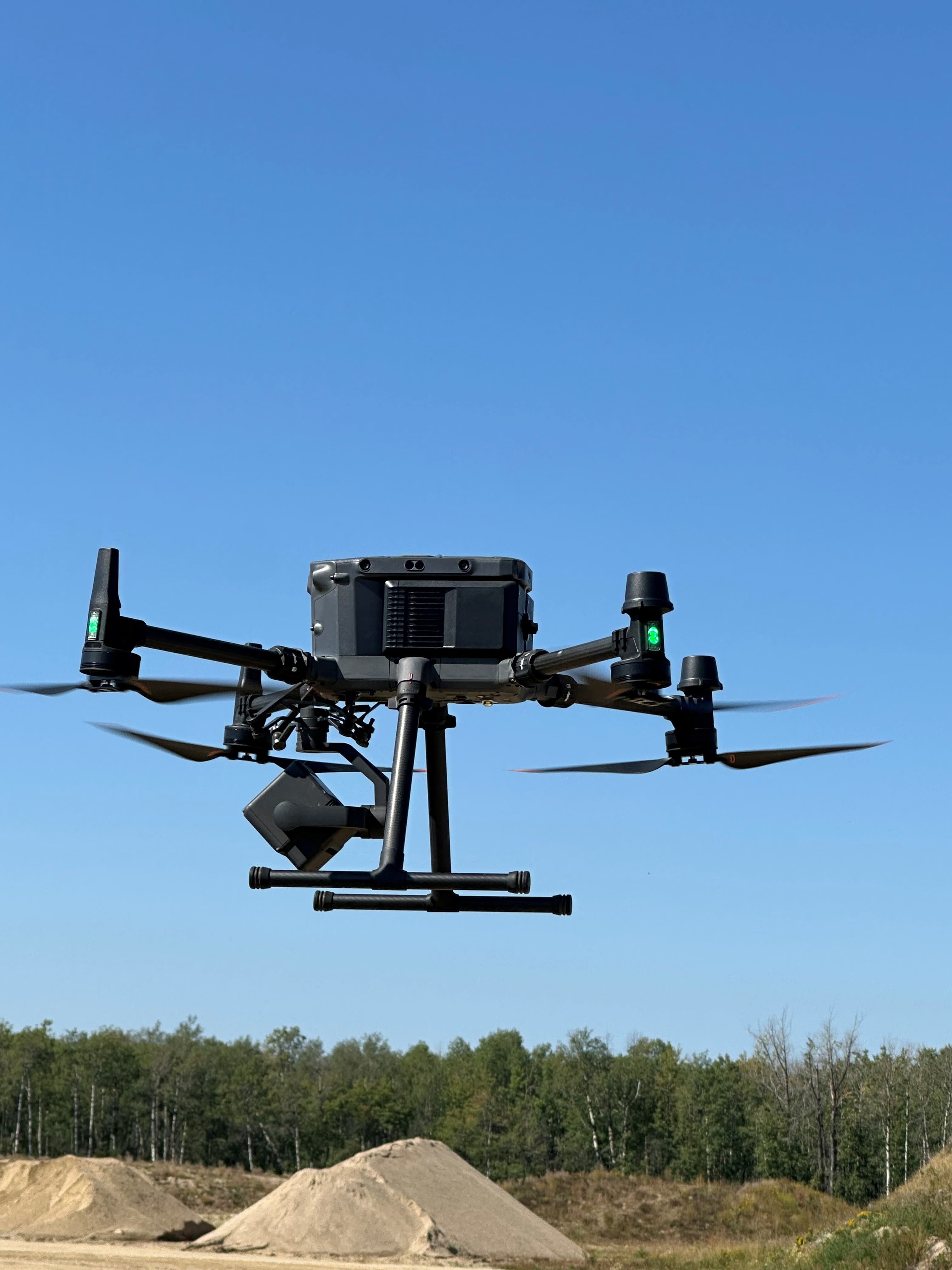
Let's face it, modern drones are super cool and for nerds like me, a must have. I have always been fascinated with technology and a drone is technological masterpiece. From microelectronics, IMUs, sensors, GNSS, and cameras all wrapped up in a small package that is 'relatively' affordable and flies reliably seems like a techno-geek's idea of heaven. So it was a pretty easy decision to buy my first drone. A previous blog details my ascent into the world of drones, so I won't repeat myself here.
I belong to many a Facebook group that are dedicated to drones and drone businesses. At first blush, opening a drone business seems like a no brainer. The apparent cost of entry seems reasonable, becoming an Advance pilot or even the latest Level 1 Complex Operations qualification isn't impossible and if you believe the news, many industries are embracing drone technology. Many posters are looking to make a drone business a side gig or something they can transition into they move towards soft landing (pun intended!) as they near retirement.
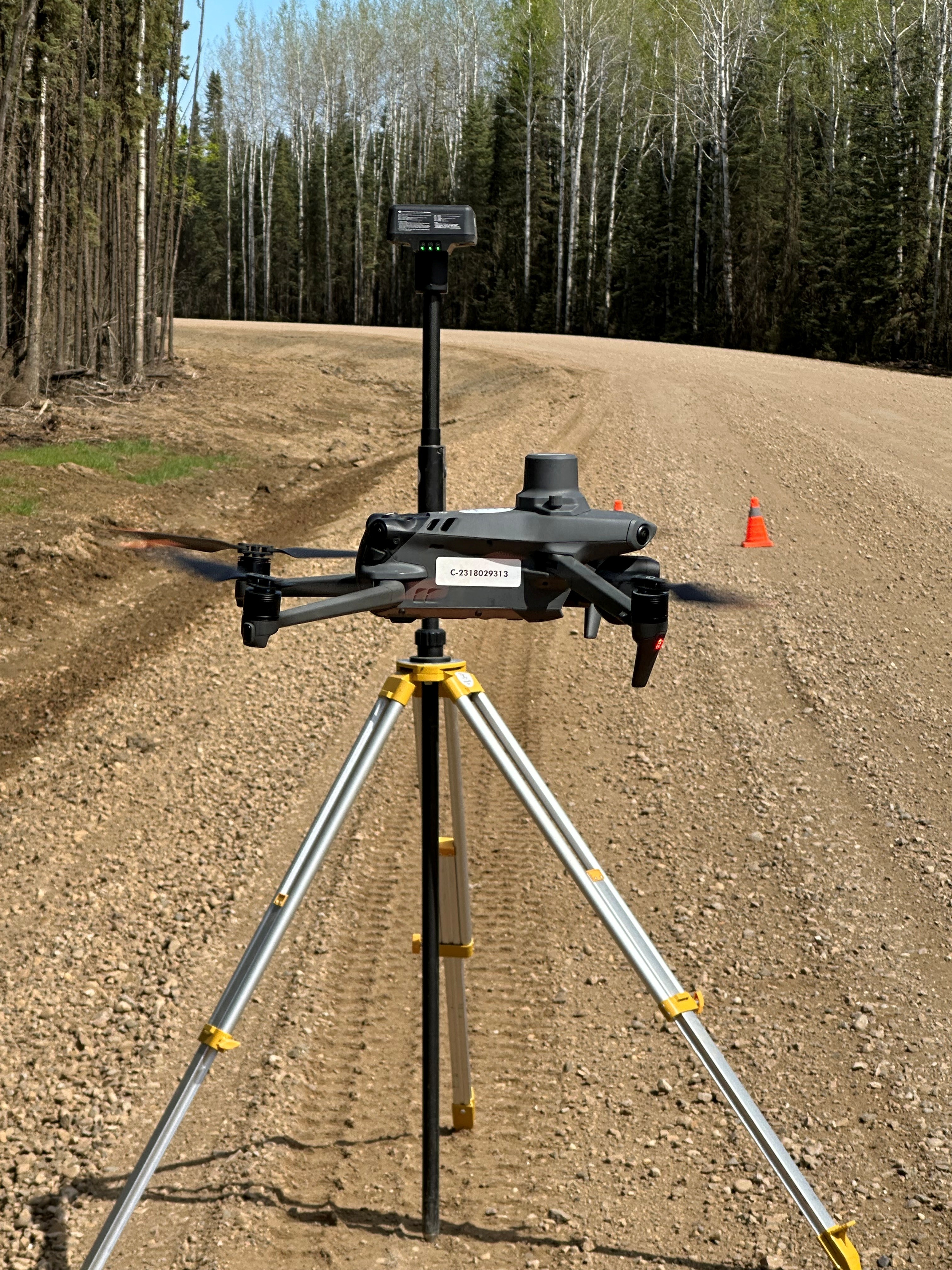
They have a recreational drone, and a buddy or acquaintance has asked them to photograph a property, check out some shingles or rain eves troughs or even help track down a wounded game animal. After a couple of positive experiences, they get the bug to get serious about becoming a professional drone pilot. Next comes the questions on Facebook about mapping and processing software, types of drones, drone flight planning apps, how to find clients and what to charge for jobs.
Not to be cruel (as I will often respond to questions and I always wish them success and safe flying), I call these folks "Sellers". Why - because so many fail and are left owning commercial drone equipment with low mileage that has not returned their initial investment. Realizing that operating a drone business that is profitable is way more complex than they initially assumed, selling the equipment is the natural endstate.
My advice to entry level drone entrepreneurs is:
1. Flying a drone is the easy part. But clients aren't interested in hiring a pilot. They need someone to fix a problem.
2. Need to be an expert in the sensor. A drone merely is a platform to get the sensor to places you can't easily get to. For example, I don't offer to do drone photography or videography. I will if asked but the client gets a warning about my lack of skill. I am not an expert in photography. f stops, exposure settings etc. quite honestly baffle me. But if I was a great photographer and already had a successful photography business taking wedding and baby pictures, the addition of a drone as another camera platform would make good business sense. Because, I was already an expert with the sensor.
3. As mentioned earlier, clients are not just hiring a pilot. They want to hire someone that understands their challenges and can solve a problem. For example, let's say a government regulator now requires semi-annual geotechnical assessments of a quarry walls to ensure public safety. Both the operator and the geological/mining engineers know that the walls must be examined to look for evidence of failure, but this process is time intensive and can be dangerous. The solution is a sensor that can get to all parts of the wall and reduces the safety risk. So the trick is to understand the issues and recommend a solution that solves the problem.
4. Become an avid consumer of knowledge. I said earlier that a drone is a technological masterpiece. The more a drone operator understands flight mechanics, weather, computers, processing, communication and radio technologies, GNSS, and batteries just to name a few, the better drone operator one becomes. Two challenges that I needed to overcome was that of understanding survey/GNSS and information management. Drones collect sooo much data.
5. A common challenge for all small business owners is finding business. Having an understanding of the industries that one wants to work with is one thing, getting in front of the these decision makers is another. Having existing clients or lacking contacts, a marketing plan that works is always a challenge. Knowing the market is critical. Too many Facebookers believe a fancy website or traditional marketing plan will work. For Jeneric, it is the relationships we have built with our clients from our environmental consulting business that allows us entry into the drone market.
6. Just being a business. All the business problems such as insurance, pricing and invoicing all are important facets of a successful business. Many companies don't want to deal with amateurs, but an actual well established business. For us, this includes everything from WCB to being a permitted company with the Association of Professional Engineers and Geoscientist of Alberta (APEGA). We are in the midst of obtaining our Small Enterprise Certificate of Recognition (SECOR), which certifies our safety program. Many of the Facebook hopefuls have never run a business. I hadn't either when I started but between my previous work experiences and some lucky breaks, I learned. But having business acumen becomes important.
7. Investment in supporting technologies. While a recreational drone is capable of creating an aerial photo and there are free or inexpensive web based programs that will process data, a successful drone business will have invested in commercial grade drones, and have industry accepted data processing programs. Furthermore, the need for survey equipment to accurately determine the location of ground control points and to act as a drone GNSS base station requires investment in survey quality equipment and the training to use it properly. Drones create data, and handling that data requires high end computers and storage. A cheap laptop or desktop will not be able to handle mid to large commercial projects leading to frustration and delays in products. Storage of data and the outputs require large terrabyte storage systems.
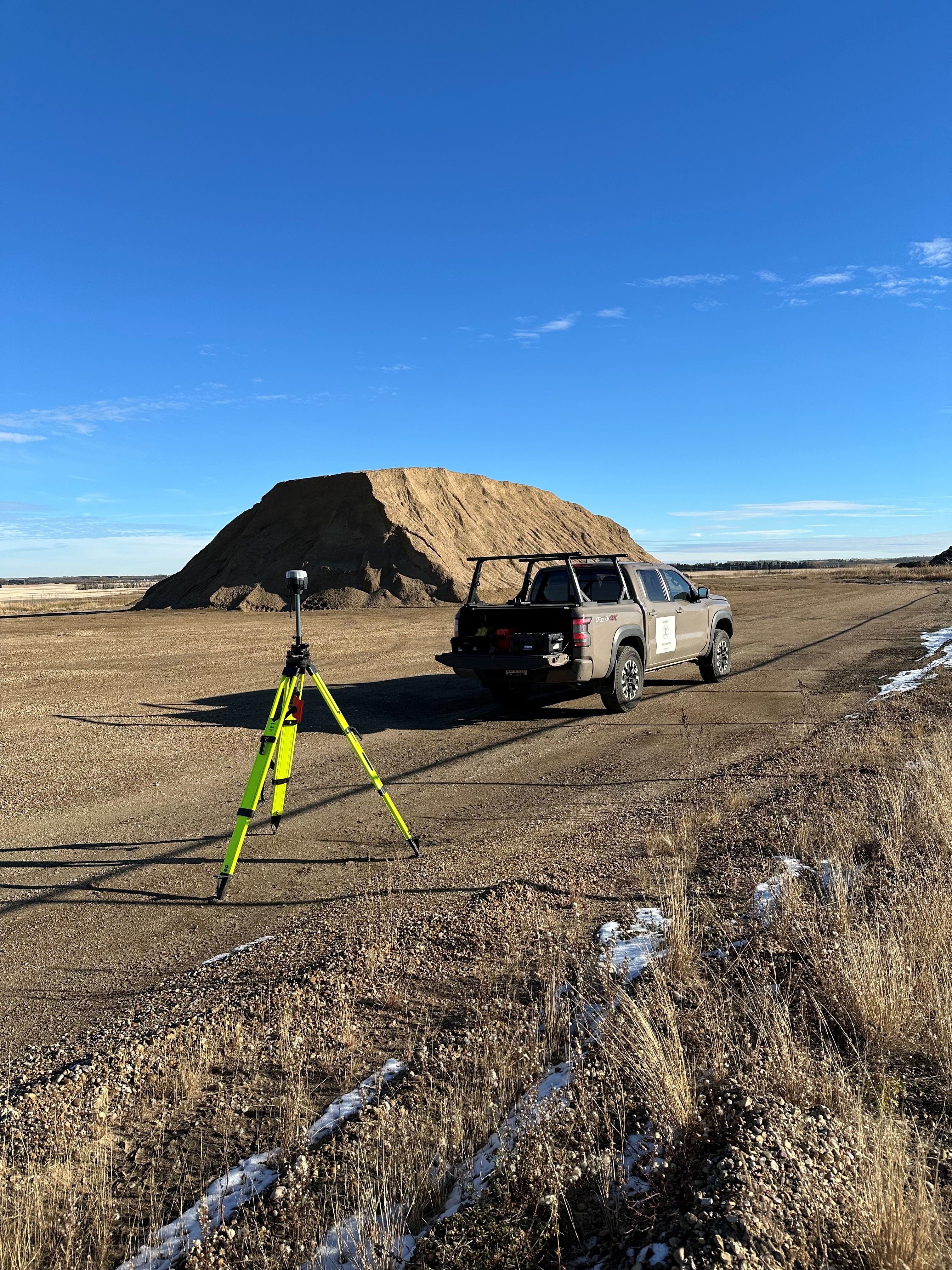
Flying is the easy part of the drone business. And like the proverbial iceberg, its the most visible part of the business, but lurking under the surface is all the other challenges that must be overcome to be a successful drone business. Operating a drone business is not impossible but my advice is to look beyond the thumb sticks on the remote control and take a hard look below the surface.
If you do decide to fly professionally, best of luck and safe flights!